
Why You Feel More Anxious and Unmotivated in Late Winter (And What To Do About It)
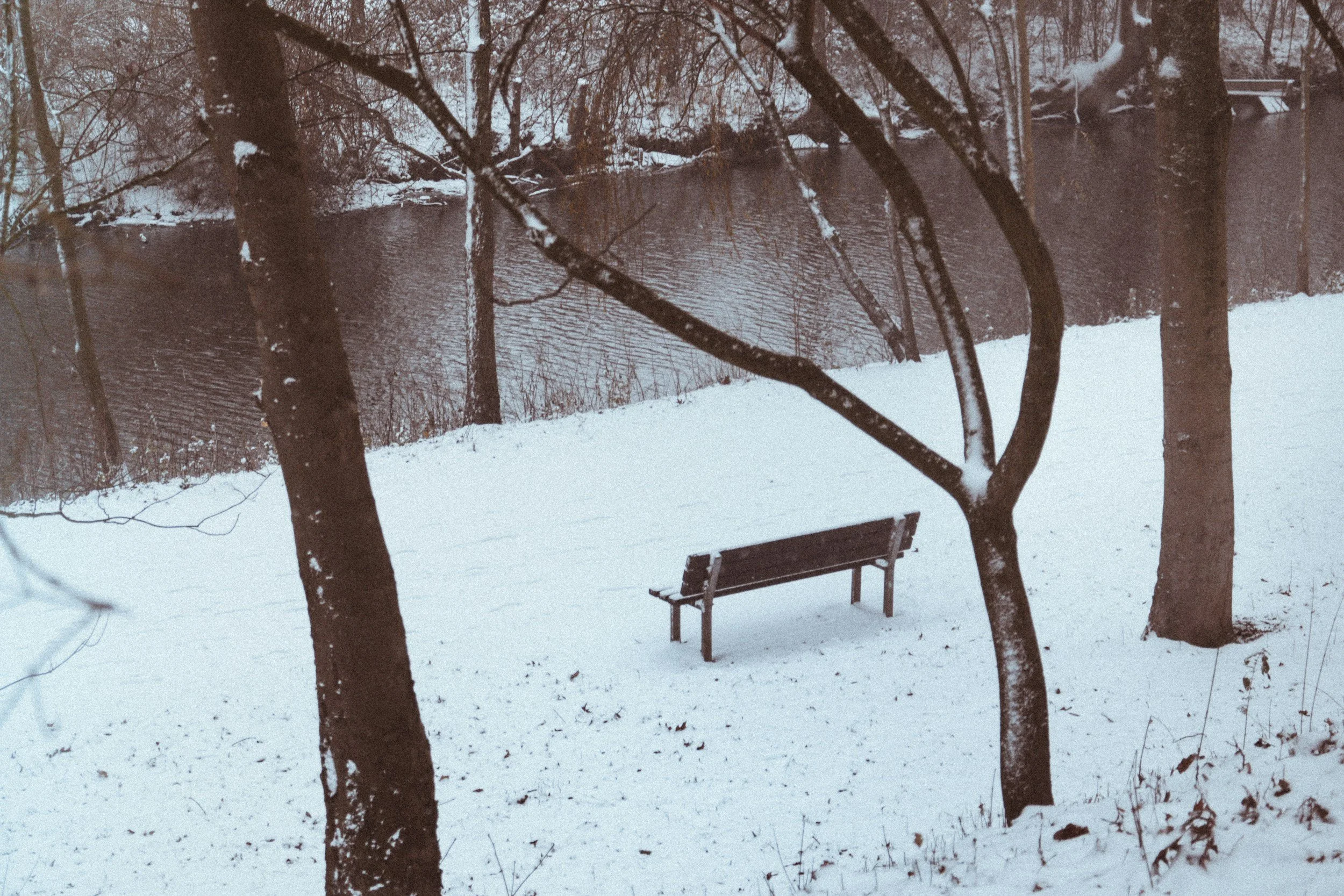
Late winter can feel surprisingly heavy.
The holidays are long over. The excitement of the new year has faded. The days are still short. In Indiana, the skies stay gray, the air stays cold, and motivation can quietly disappear.
If you’ve noticed increased anxiety, lower energy, irritability, or difficulty focusing this time of year, you’re not alone. Many adults experience a spike in seasonal anxiety and burnout in February and early spring.
Let’s talk about why this happens and what you can do about it.
Why Late Winter Feels Harder Than January
January often comes with structure. There are goals, routines, and a sense of reset.
By mid-February, that momentum fades.
• The weather hasn’t improved
• Motivation dips
• Work demands increase
• Social plans decrease
• Sunlight is still limited
This combination can create a perfect storm for anxiety and emotional exhaustion.
Late winter is when nervous system fatigue tends to show up.
The Nervous System and Reduced Sunlight
Your body relies on sunlight to regulate:
• Mood
• Sleep cycles
• Energy levels
• Stress hormones
When daylight is limited — which is common in Indiana winters — serotonin levels can drop. This affects mood stability and resilience.
Less sunlight also disrupts circadian rhythms, which impacts sleep. Poor sleep increases anxiety. Increased anxiety disrupts sleep further.
It becomes a cycle.
Seasonal Depression vs. Burnout vs. Anxiety
These experiences often overlap, which is why many people feel confused about what’s happening.
Seasonal Depression
• Low energy
• Persistent sadness
• Increased sleep
• Cravings for carbohydrates
• Difficulty concentrating
Burnout
• Emotional exhaustion
• Feeling detached or cynical
• Decreased motivation
• Irritability
• Feeling depleted even after resting
High-Functioning Anxiety
• Overthinking
• Constant internal pressure
• Trouble relaxing
• Fear of falling behind
• Increased productivity paired with internal exhaustion
Many adults across Indiana experience a blend of these symptoms during late winter.
You might still be performing well at work — but internally, you feel drained.
Why High-Achieving Adults Struggle More This Time of Year
If you are driven and responsible, winter may hit you differently.
High-functioning adults often rely on:
• Structure
• External achievement
• Social stimulation
• Physical activity
When winter limits movement and social interaction, internal stress becomes louder.
You may:
• Feel behind even when you’re not
• Judge yourself for low motivation
• Push harder instead of resting
• Increase caffeine to compensate
• Experience rising anxiety at night
This isn’t weakness. It’s nervous system strain.
Practical Ways to Support Yourself in Late Winter
You don’t need a total life overhaul. Small, consistent adjustments can help.
1. Increase Light Exposure
Get outside within 30 minutes of waking, even if it’s cloudy. Natural light helps regulate your internal clock.
If that’s not possible, consider using a light therapy lamp in the morning.
2. Reduce Self-Pressure
Instead of asking, “Why am I so unmotivated?” try asking, “What would supportive pacing look like right now?”
Winter is not peak productivity season.
3. Regulate Before You Motivate
Anxiety decreases when the nervous system feels safe.
Try:
• Slow breathing (4–6 count inhale, 6–8 count exhale)
• Warm showers
• Gentle stretching
• Short outdoor walks
Calm comes before clarity.
4. Reevaluate Your Capacity
If you feel consistently overwhelmed, your schedule may not match your current energy.
Burnout often intensifies in late winter because we don’t adjust expectations to seasonal realities.
When to Consider Therapy
If you notice:
• Persistent anxiety
• Frequent rumination
• Panic symptoms
• Emotional exhaustion
• Difficulty sleeping
• Loss of motivation lasting more than two weeks
It may be time to talk to a therapist.
Therapy can help you:
• Reduce overthinking
• Strengthen nervous system regulation
• Address perfectionism
• Prevent burnout from escalating
• Improve emotional resilience
Early support prevents deeper depletion.
You’re Not Failing, Your Body Is Responding
Late winter anxiety isn’t a character flaw. It’s often a predictable physiological and emotional response to prolonged stress and limited light exposure.
With the right tools and support, your energy and stability can return — even before the weather changes.
If you’re feeling more anxious or unmotivated this season, you’re not alone. Support is available.
If you’re located in Carmel or anywhere in Indiana, in-person and online therapy options can help you move through this season with steadiness and support.
Contact Us with any questions.