
Back to School, Sports and Bullying: When Should Parents Be Concerned About Their Teen?
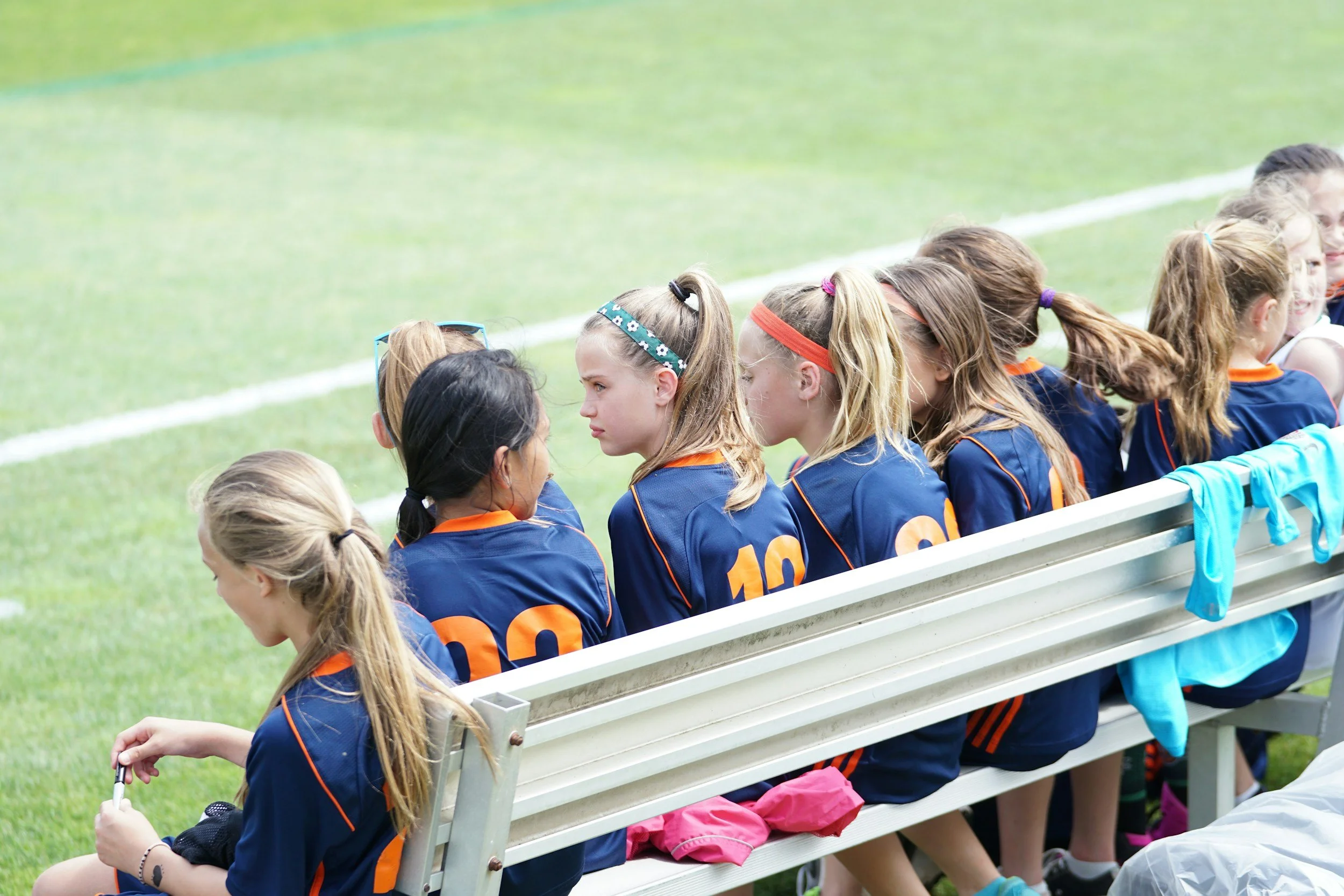
The start of a new school year brings a lot of changes for teenagers.
New classes, new teachers, new routines, sports tryouts, practices, social groups, academic expectations, and the pressure to fit in can all arrive at the same time.
For many Carmel, Indiana families, fall also means the return of school sports. While athletics can provide friendship, confidence, structure, and a sense of belonging, they can also introduce another layer of pressure for teenagers.
Add bullying, social conflict, or concerns about fitting in, and the transition back to school can become overwhelming.
The challenge for parents is knowing the difference between normal adjustment and a teenager who may need additional support.
Why Back to School Can Be Stressful for Teenagers
Adults sometimes remember the beginning of a school year as simply getting used to a new schedule.
For teenagers, however, there can be much more happening beneath the surface.
A student may be thinking about:
Whether they will make the team
Where they fit socially
What their friends think of them
Whether they will be accepted by a particular group
Keeping up academically
Getting enough playing time
Performing well in front of teammates
Comparing themselves with other students
Dealing with social media
Avoiding certain students
Meeting expectations from parents, coaches, and teachers
These pressures can build even when a teenager does not openly talk about them.
Sports Can Be a Positive Experience, But They Can Also Create Pressure
Sports can be an important part of a teenager's life.
Being part of a team can help adolescents develop confidence, friendships, discipline, communication skills, and resilience.
But competitive sports can also create stress.
A teenager may worry about being cut from a team, losing playing time, making mistakes during games, disappointing a coach, or comparing their performance to other athletes.
For some students, the pressure becomes tied to their sense of self-worth.
Instead of thinking:
“I had a bad game.”
They may begin thinking:
“I'm a bad athlete.”
Or:
“I'm not good enough.”
Helping teenagers separate their performance from their identity can be an important part of managing sports related stress.
What About Bullying?
Bullying can make the return to school particularly difficult.
Bullying does not always involve physical aggression.
It can include repeated teasing, humiliation, exclusion, threats, harassment, spreading rumors, or online behavior intended to hurt or intimidate another student.
Sometimes parents do not immediately know what is happening.
A teenager may be embarrassed, afraid that telling someone will make the situation worse, or worried that adults will not understand.
That can leave them trying to handle the situation alone.
Signs Your Teen May Be Struggling
Every teenager has difficult days.
A bad practice, disagreement with a friend, disappointing grade, or frustrating day at school does not automatically indicate a serious problem.
Parents should pay more attention when changes are persistent, significant, or noticeably different from their teenager's normal behavior.
Potential warning signs can include:
Suddenly not wanting to go to school
Avoiding sports or activities they previously enjoyed
Asking to quit a team without explaining why
Becoming unusually withdrawn
Increased irritability or anger
Changes in sleep
Changes in appetite
Frequent headaches or stomachaches
Falling grades
Losing interest in friends
Spending significantly more time alone
Becoming unusually worried about social situations
Appearing afraid of certain students or situations
Excessive concern about what other people think
Emotional reactions that seem much stronger than usual
One sign by itself does not necessarily mean something is wrong.
A pattern is what parents should watch for.
How Parents Can Start the Conversation
If you suspect your teenager is struggling, starting the conversation can be difficult.
Telling them, “You need to talk to someone,” may cause them to shut down.
Instead, try starting with curiosity.
You might ask:
“How are things going with your team?”
“How are you feeling about school this year?”
“Is there anything making you nervous about going to school?”
“How are things going with your friends?”
“Is there anyone at school you're having a hard time dealing with?”
Then listen.
Parents often want to immediately solve the problem, but teenagers may first need to feel heard and understood.
Don't Assume Quitting Is Always the Answer
If a teenager is struggling with sports pressure or a difficult team environment, quitting may seem like the obvious solution.
Sometimes leaving an unhealthy situation is appropriate.
Other times, the underlying problem may be anxiety, perfectionism, low self-confidence, fear of failure, or difficulty managing conflict.
Understanding the reason behind the distress can help families make a better decision.
The goal is not always to make the teenager push through.
The goal is to help them understand what they are experiencing and develop healthy ways to respond.
When Can Therapy Help?
Teen therapy can provide adolescents with a private, supportive environment where they can talk about issues that may be difficult to discuss at home.
Therapy may be helpful when school stress, sports pressure, bullying, anxiety, or social problems begin affecting a teenager's daily life.
A therapist can help a teenager develop skills related to:
Managing anxiety
Building confidence
Handling peer pressure
Coping with bullying
Managing academic stress
Dealing with sports pressure
Setting healthy boundaries
Communicating effectively
Processing difficult emotions
Developing healthier coping strategies
Therapy can also give parents a better understanding of how to support their teenager without unintentionally increasing the pressure.
Your Teen Does Not Have to Handle It Alone
The beginning of a school year is an adjustment for the entire family.
Some stress is normal.
But if your teenager seems consistently unhappy, anxious, withdrawn, overwhelmed, or afraid to participate in school or activities they once enjoyed, it is worth paying attention.
You do not have to wait until a situation becomes a crisis before asking for help.
Sometimes early support can give a teenager the tools they need to navigate school, sports, friendships, and difficult situations with greater confidence.
Teen Therapy in Carmel, Indiana
Evermore Therapy and Wellness Group provides therapy for teens, adults, and families in Carmel and surrounding Central Indiana communities.
If your teenager is struggling with school anxiety, sports pressure, bullying, peer relationships, academic stress, or other emotional challenges, therapy can provide a supportive place to work through those concerns.
The goal is not to eliminate every difficult experience from a teenager's life.
It is to help them develop the confidence, coping skills, and support they need to navigate those experiences in a healthier way.
If something feels different with your teenager this school year, trust your instincts and start the conversation. Questions? Contact Us